Turnkey Chimney Services in Milwaukee, WI: Comprehensive Guide to Chimney Repair, Inspection, Cleaning, and Restoration
Turnkey Chimney has over ten years of experience in chimney repairs and maintenance services. We offer a wide variety of chimney and fireplace repair services in Trevor, WI. Faulty chimneys can cause many problems in your home, including house fires and water leaks. Our trained professionals work to make sure your chimney stays in top-quality shape, maintaining the value of your home. We strive to make sure your chimney works properly to provide as much heat as needed during the cold Wisconsin months. Call us at (262) 539-5412 for a free estimate today.
At Turnkey Chimney Services, we are proud to be the trusted experts for homeowners across the Milwaukee, WI Metro Area. Our mission is simple: to deliver professional, reliable, and affordable chimney services that protect your home, improve safety, and ensure your fireplace and chimney operate efficiently. Whether you require chimney repair in Milwaukee, WI, regular cleaning, or specialized services like chimney rebuilds and liner installations, our skilled team is here to provide solutions that combine craftsmanship with integrity.
Understanding Chimney Systems
Purpose and Components
A chimney is more than a vertical shaft; it is an engineered system designed to expel smoke and gases produced by fireplaces, wood stoves, or heating appliances. Typical components include:
- Flue: the interior passageway through which smoke and gases travel. Flues can be masonry or prefabricated metal.
- Chimney liner: a protective channel installed inside the flue to shield masonry from heat and corrosion. A properly installed liner reduces overheating and fire risk, improves airflow, and helps contain toxic gases like carbon monoxide.
- Chimney cap: a metal cover with a mesh screen installed atop the chimney to allow smoke to escape while preventing rain, snow, animals, and debris from entering.
- Crown: a sloped concrete slab at the top of masonry chimneys that directs water away from the structure; it should be at least three inches thick, reinforced with mesh, and have an overhang.
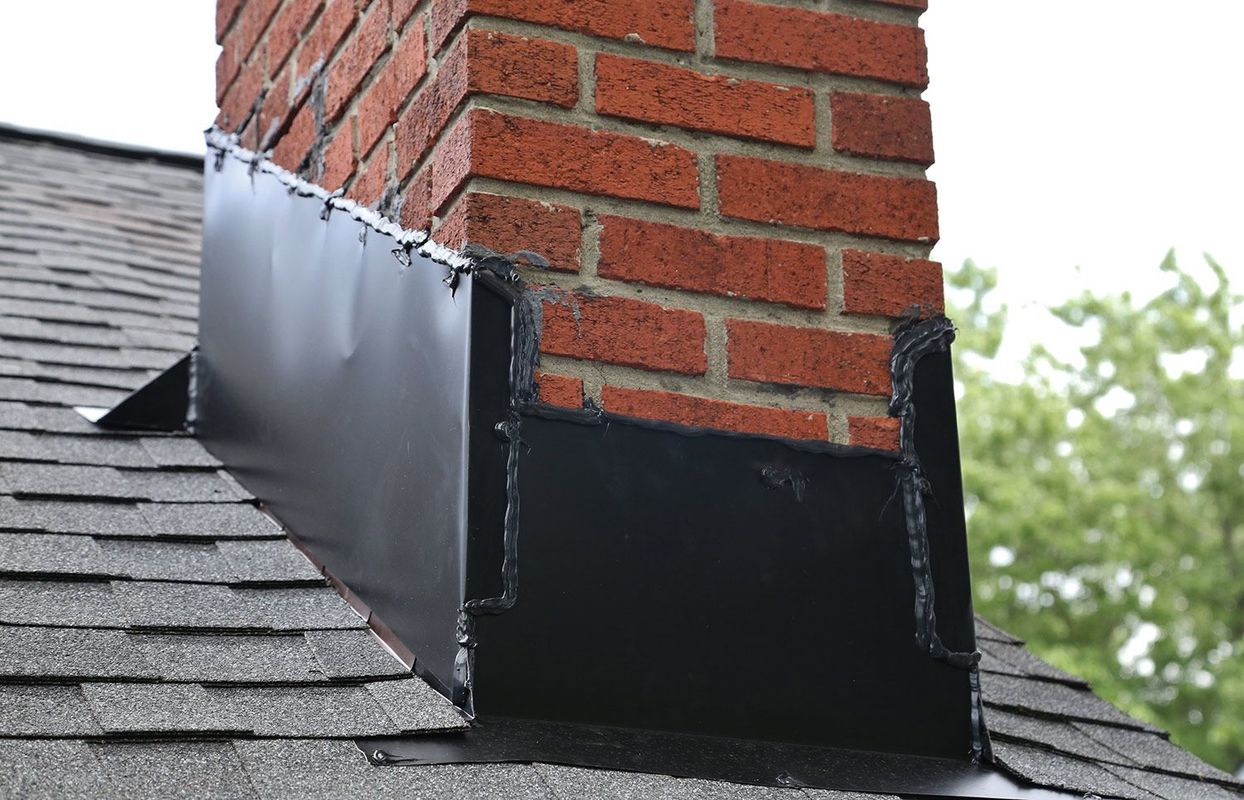
- Flashing: sheet metal integrated between the chimney and roof to create a watertight seal and prevent leaks.
- Damper: a movable plate that regulates airflow and closes the flue when the fireplace is not used.
Risks of Neglect
- Creosote buildup and chimney fires. When wood burns, gases condense on the flue walls as creosote, a tar‑like, flammable substance. Without regular cleaning, creosote accumulates, restricting airflow and creating conditions that can lead to chimney fires, which can spread to the surrounding structure. Even small amounts of creosote increase the risk; glazed creosote — a shiny, hardened form — ignites at lower temperatures and is difficult to remove.
- Carbon monoxide poisoning. Defective or clogged chimneys can cause carbon monoxide to leak into living spaces. This odorless gas displaces oxygen in the blood and can be fatal; the United States Environmental Protection Agency notes that carbon monoxide from blocked chimneys or furnaces kills hundreds of Americans each year. Proper inspection and the installation of carbon monoxide detectors are vital safety measures.
- Structural damage and moisture intrusion. Chimneys exposed to Milwaukee’s freeze‑thaw cycles can develop cracks in mortar joints and masonry. Moisture seeps into these cracks, expands when frozen, and leads to spalling (bricks flaking or crumbling). Damaged crowns and flashing allow water to penetrate the chimney and adjoining roof, weakening the structure and creating mold problems.
- Reduced efficiency and poor indoor air quality. A blocked or damaged flue restricts draft, leading to smoke entering the home and inefficient burning. Excess smoke reduces fireplace performance and contributes to respiratory issues. Routine maintenance ensures optimal draft and cleaner air.
Why Choose Turnkey Chimney in Milwaukee, WI
Turnkey Chimney is a locally owned and operated company serving the greater Milwaukee metro area, including Waukesha, Brookfield, Mequon, Greenfield, and surrounding communities. Our technicians are certified by the Chimney Safety Institute of America (CSIA) and the National Fireplace Institute (NFI). We combine traditional craftsmanship with modern diagnostics, utilizing cameras, moisture meters, and draft gauges to evaluate every component of a chimney system thoroughly. Our unique selling propositions include:
- Comprehensive Services: We provide inspection, sweeping, repair, rebuilding, waterproofing, and custom installations, eliminating the need to hire multiple contractors.
- Safety and Compliance: Our practices align with the National Fire Protection Association (NFPA) 211 standards, ensuring that every chimney we service meets or exceeds code requirements.
- Customized Solutions: We tailor repair and restoration plans to each home’s architecture and the homeowner’s budget, offering affordable options that do not compromise quality.
- Premium Materials: Turnkey utilizes stainless steel caps and liners, high-quality masonry materials, and vapor-permeable waterproofing products for long-lasting protection.
- Emergency Response: We offer 24/7 emergency chimney repair in Milwaukee to promptly address storm damage, fires, or sudden leaks.
- Education and Transparency: Every service includes a detailed report, photographs, and recommendations to help homeowners make informed decisions.
With decades of experience and local knowledge, we understand Milwaukee’s climate and building practices. We respect historic architecture while implementing modern safety standards. Our commitment to customer satisfaction has earned us referrals and repeat business across the region.
Our Chimney Maintenance & Repair Services Include:
- Inspections
- Cleanings
- Wood Stove Installation
- Gas Log Conversions
- Gas Inserts
- Prefab Replacement
- Caps
- Chase Tops
- Concrete Crowns
- Fireplace Reline
Chimney Inspection Services
The Importance of Inspection
Regular inspections are the cornerstone of chimney safety. The NFPA 211 standard, recognized by fire departments and insurance companies, requires annual chimney inspections regardless of the frequency of use. An inspection identifies creosote buildup, structural issues, improper installations, and clearance problems. The Chimney Safety Institute of America also recommends annual inspections and cleaning when the creosote reaches a 1/8-inch thickness, as homeowners cannot accurately measure the buildup themselves.
Types of Inspections
Our inspectors perform three levels of assessment based on NFPA guidelines:
- Level 1: A basic annual inspection for chimneys in continuing service with no changes. The technician visually examines the interior and exterior, checking for cracks, obstructions, creosote deposits, cap condition, and damper operation.
- Level 2: Required when changes occur (installation of a new appliance, relining, property sale, or an operational malfunction). This inspection includes the Level 1 elements, plus a video scan of the flue and accessible attic, crawl spaces, or roof areas to evaluate hidden defects.
- Level 3: Necessary when serious hazards (chimney fire, structural failure, or extreme damage) are suspected. It may be necessary to remove portions of the building to access concealed areas. Turnkey performs this level only when necessary and always discusses options with the homeowner first.
Our Inspection Process
We begin with a consultation to understand the homeowner’s concerns, review any history of performance issues, and explain the inspection scope. Our certified technician arrives promptly and conducts a thorough examination:
- Exterior inspection: We evaluate masonry, mortar joints, flashing, crown, and cap for damage, moisture intrusion, or biological growth. Cracks, spalling brick,s or rusted metal are documented.
- Interior inspection: A video camera is inserted into the flue to examine liner condition, creosote buildup, obstructions, or improper construction. We also inspect the firebox, damper, smoke chamber, and hearth.
- Draft and clearance checks: We test the chimney’s draft and verify that clearances to combustible materials meet code.
- Digital Report: Following the assessment, we provide a written report that includes photos, any code deficiencies, and recommendations for repairs or maintenance. Our team discusses the findings with the homeowner, answering questions and outlining next steps.
Signs That Your Chimney Needs Repairing:
- Damaged Mortar Joints
- Rusted Damper Or Firebox
- Cracked/Broken Flue Tiles
- Spalling Bricks
- Cracked Chimney Crown
- Water Leakage
- Rusting Chase
- And More
Chimney Cleaning and Sweeping
Why Chimney Cleaning Matters
Chimney cleaning (or sweeping) removes soot, ash, and creosote from the flue and other components. This process prevents chimney fires, improves airflow, and enhances energy efficiency. Creosote buildup can ignite at relatively low temperatures, causing flue fires that spread to adjacent framing. Clean chimneys also prevent smoke from entering the living area, improve draft, and reduce odor.
Cleaning Frequency
The NFPA 211 standard requires annual inspections, and cleaning should occur whenever creosote buildup is present. For homeowners who frequently burn wood during Milwaukee’s cold winters, Turnkey recommends annual cleaning; for occasional users, cleaning every two years may be sufficient. The Chimney Safety Institute of America notes that open masonry fireplaces should be cleaned when 1/8‑inch of sooty buildup is present (or sooner if glazed creosote is detected). Gas fireplaces produce less creosote but still require inspection and cleaning every two to three years.
Our Sweeping Procedure
- Preparation: We protect the homeowner’s home with drop cloths and a HEPA‑filtered vacuum to control dust. We remove fireplace grates or logs and cover nearby furniture.
- Mechanical brushing: Using flexible rods and nylon or steel brushes sized to fit the flue, we scrub the interior surfaces from top to bottom and from bottom to top to remove deposits.
- Creosote removal treatments: For glazed creosote, which is harder to dislodge, we apply special chemical treatments to break down the glaze. Our technicians are trained to identify when chemical treatments or mechanical scraping are necessary.
- Final inspection: After cleaning, we conduct another visual or video inspection to verify that deposits have been removed and that the liner is undamaged.
The best time to schedule cleaning is in spring or summer when demand is lower. Off‑season cleaning gives homeowners time to repair before the heating season and often reduces costs.
Chimney Repair Services
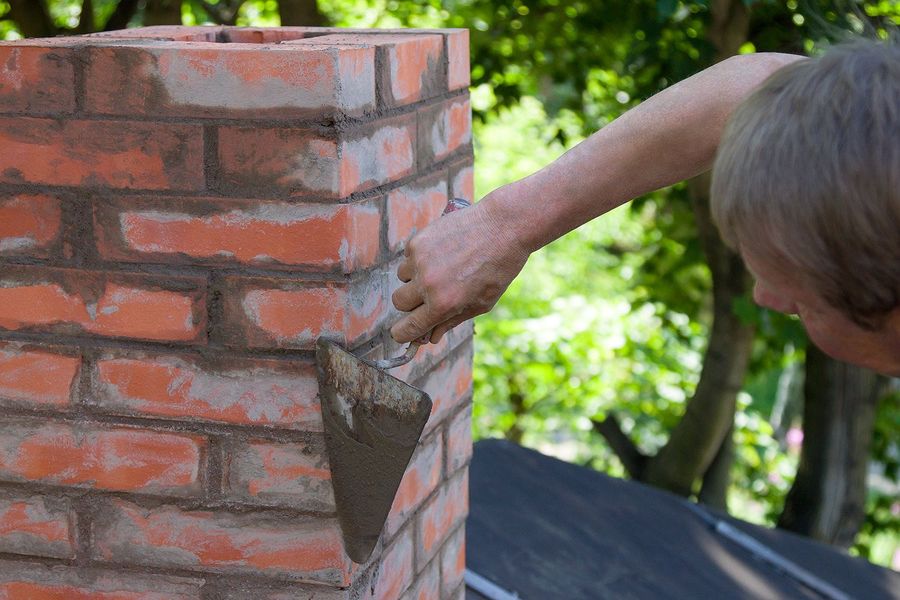
Masonry chimneys rely on mortar to bind bricks, seal against moisture, distribute loads, and resist external forces. Over time, mortar deteriorates due to weather, freeze‑thaw cycles, and acidic creosote. Signs of deterioration include cracks, loose bricks, efflorescence (white salt deposits), and spalling bricks. Deteriorated mortar compromises stability and allows water penetration.
Repointing (also known as tuckpointing) involves removing damaged mortar joints to a prescribed depth and replacing them with fresh mortar that matches the original in both composition and appearance. This process restores structural integrity and prevents moisture infiltration. We use high-quality mortar blended to match your existing brickwork, ensuring a seamless appearance. A section or the entire chimney may require rebuilding when the brickwork is severely deteriorated.
Chimney Rebuilding and Restoration
Not all damages can be corrected with minor repairs. Milwaukee’s harsh winters and age can weaken chimneys to the point where reconstruction is necessary. According to industry experts, partial rebuilds are suitable when damage is limited to the top few courses of brick or the crown of the brickwork. In contrast, complete rebuilds are required when damage extends from the roofline to the foundation. Historic restorations preserve the original design while incorporating modern safety measures and durable materials into the structure.
Our rebuild process includes:
- Demolition of the damaged structure: We carefully dismantle unsafe sections while supporting adjacent structures to ensure stability. Bricks that can be salvaged are cleaned and reused when appropriate.
- Foundation repair: We verify that the chimney foundation is sound; if necessary, we stabilize or replace footings to meet current codes.
- Masonry construction: Using high-quality, frost-resistant bricks and mortar, we reconstruct the chimney to match the original style or updated design. For historic properties, we source brick sizes and colors that are appropriate.
- Installation of a proper flue liner: Rebuilds always include installing or upgrading a chimney liner to meet NFPA requirements.
- Crown and flashing installation: We construct a durable crown, install new flashing, and complete the installation with a chimney cap.
A professionally rebuilt chimney enhances safety by reducing fire risk, improves draft and ventilation, increases property value, and ensures longevity. Turnkey’s masons are experienced in blending new construction with historic architecture and meeting local building codes.
Chimney Cap Installation and Repair
A chimney cap is a stainless steel or copper cover with a mesh screen that fits over the flue. Caps serve multiple functions:
- Prevent water damage: By keeping rain and snow out, caps protect the flue and masonry from moisture, which can otherwise cause rust, mold, and mortar deterioration.
- Keep animals and debris out: Birds, squirrels, raccoons, and leaves can block the flue, causing smoke backup and carbon monoxide hazards. Caps block these intrusions.
Prevent downdrafts: The cap acts as a barrier against wind, preventing cold air from pushing smoke back into the house and improving the draft.- Reduce chimney fires: A spark arrestor mesh catches embers and prevents them from igniting leaves or debris on the roof or yard.
- Improve energy efficiency: By preventing warm air from escaping in winter and cool air from escaping in summer, caps help regulate temperature and reduce energy bills.
Turnkey offers custom‑sized stainless steel caps that carry a lifetime warranty. We also repair or replace damaged caps and ensure they are properly anchored to the crown. We fabricate multi-flue caps for homeowners with multiple flues to cover the entire chimney top.
Chimney Crown Repair
The crown is a critical barrier against moisture. A well-built crown should be at least three inches thick, reinforced with wire mesh, and extend beyond the chimney walls with a slope to shed water. Common signs of crown failure include cracks, flaking concrete, pooled water, and vegetation growth. Freeze-thaw cycles accelerate deterioration, allowing water to infiltrate the chimney, attic, or walls.
Turnkey repairs crowns using specialized products such as CrownSeal and CrownCoat, which create a flexible, waterproof membrane. We remove the old concrete for severely damaged crowns and pour a new reinforced crown with proper overhang and slope. We also integrate the cap and flashing to ensure a continuous waterproof system.
Chimney Flashing Repair
Flashing is the sheet metal that seals the joint where the chimney meets the roof. It consists of step flashing, L‑shaped pieces woven into roof shingles, and counter flashing, vertical pieces embedded into the mortar joints. Proper flashing directs water away from the roof–chimney junction and prevents leaks. Faulty or missing flashing can lead to roof rot, ceiling stains, and chimney deterioration.
Turnkey’s repair process involves inspecting both step and counter flashing, removing deteriorated sections, and installing new flashing with appropriate materials. We use high‑quality copper or stainless steel for longevity, ensuring compatibility to avoid galvanic corrosion. Our team grinds into mortar joints to set counter flashing, seals edges with high-grade silicone, and secures step flashing under shingles. We also repair or replace roof shingles around the chimney as needed.
Chimney Liner Installation
A chimney liner is a crucial safety component. It provides a smooth, heat‑resistant channel that protects masonry from high temperatures and corrosive by‑products. Without a liner, heat can transfer through masonry, ignite adjacent framing, and acidic gases erode bricks and mortar. Installing a liner reduces fire risk, improves energy efficiency by promoting better airflow, makes maintenance easier, and prevents toxic gases like carbon monoxide from entering the home.
Turnkey offers several types of liners:
- Stainless steel liners: Durable and suitable for wood, gas or pellet appliances. We install flexible or rigid liners sized to match the appliance for optimal draft.
- Cast‑in‑place liners: We apply a cementitious material inside the chimney that hardens into a smooth, insulated lining for older chimneys with irregular flues.
- Ceramic or clay flue tiles: Traditional liners used in masonry chimneys; we repair or replace damaged sections and seal joints.
During installation, we clean the existing flue, size the liner properly, install a top plate and cap, and insulate the area around the liner if necessary. An appropriately sized liner improves draft, reduces creosote formation, and ensures compliance with building codes.
Fireplace Repair and Gas Fireplace Services
Turnkey repairs wood‑burning and gas fireplaces to restore safety, efficiency, and appearance. Services include:
- Firebox rebuilding: Replacing cracked firebrick or refractory panels and repointing joints.
- Damper repair or replacement: Ensuring the damper seals properly to prevent heat loss and allows free movement.
- Smoke chamber parging: Smoothing rough surfaces to improve draft and reduce creosote accumulation.
- Gas fireplace servicing: Inspecting gas logs, burners, and pilot assemblies; cleaning glass doors; checking gas lines; ensuring proper ventilation and compliance with manufacturer guidelines.
Chimney Leak Repair and Waterproofing
Water is a chimney’s worst enemy. Waterproofing applies a vapor-permeable barrier to the exterior of masonry, repelling liquid water while allowing the bricks to breathe. This treatment prevents water infiltration and freeze‑thaw damage, extends chimney life, and protects against mold and mildew. Professional waterproofing products typically last five to ten years and require routine maintenance, which involves reapplication.
Turnkey’s leak repair services include:
- Sealing cracks in mortar and bricks.
- Repairing or replacing crowns, caps, and flashing.
- Installing chimney crickets (a peaked structure on the roof side of the chimney) to divert water around wide chimneys.
- Applying breathable waterproofing coatings that penetrate masonry and provide long‑term protection.
Chimney Safety Inspection for Gas Fireplaces
Gas fireplaces are cleaner-burning, but they still require an annual inspection to ensure safe operation. Faulty venting, damaged liners, or blocked exhaust can cause carbon monoxide leaks. Turnkey checks gas appliances, venting systems, and safety shut‑offs to ensure everything meets code and manufacturer specifications. We also instruct homeowners on properly using gas logs and remote controls.
Emergency Chimney Repair
Storms, high winds, and fires can damage chimneys at any time. Our emergency chimney repair services operate 24/7, providing quick response to stabilize structures, board up openings, remove damaged sections, and protect homes from further damage. After emergency stabilization, we work with insurance companies to provide detailed reports and complete restorations.
Chimney Maintenance and Stove Cleaning
Regular maintenance extends the life of your chimney and improves its performance. In addition to annual inspection and cleaning, homeowners should:
- Burn seasoned hardwood: Dry wood burns hotter and produces less creosote; avoid pine or softwoods, as they increase buildup.
- Schedule off-season cleaning: Spring or summer cleaning reduces costs and ensures repairs are completed before the winter season.
- Install preventive equipment: Chimney caps and spark arrestors reduce maintenance needs and improve safety.
- Monitor for warning signs: visible creosote buildup, smoke backing into the room, unusual odors, or white staining on masonry, as these indicate problems that require professional attention.
We also offer wood stove and pellet stove cleaning services, including cleaning internal baffles, pipes, and fans; inspecting gaskets; and verifying proper draft.
Wood Fireplace and Gas Fireplace Services
Many Milwaukee homes feature traditional wood fireplaces that create a warm and inviting ambiance. Turnkey helps homeowners maintain their homes by repairing fireboxes, installing glass doors to improve efficiency, and retrofitting wood-burning inserts to reduce emissions. For homeowners switching to gas, we install gas log sets and direct‑vent gas fireplaces, offering the convenience of remote control and energy efficiency. All installations meet local codes and manufacturer specifications.
Residential Chimney Services for Milwaukee Homes
Our services cater to single‑family residences, condominiums, and townhomes throughout the Milwaukee metro area. We understand the unique architecture of historic Milwaukee neighborhoods and modern suburban designs. Whether a home has a brick chimney from the early 1900s or a prefabricated metal flue in a new build, Turnkey provides customized solutions.
Chimney Mortar Repair and Brick Replacement
Mortar deterioration leads to loose bricks and structural instability. We use repointing and tuckpointing to restore joints. In cases of severe damage, we remove and replace bricks to match existing patterns and colors. After repairs, we recommend applying waterproofing treatments to protect the new mortar.
Chimney Waterproofing and Leak Prevention
Waterproofing protects against cracking, spalling, and mold growth. Hansen & Sons explains that vapor‑permeable barriers prevent water infiltration while allowing masonry to breathe, and professional waterproofing should be reapplied every five to ten years. Our technicians carefully clean the chimney, repair defects, apply waterproofing solutions, and verify that flashing and the crown are intact.
Gas Fireplace Chimney Repair
Gas fireplaces require specialized knowledge of venting systems. Our technicians examine the gas appliance, vent connector, draft hood, and vent termination. We check for blockages, corrosion, and proper clearances. Repairs may involve replacing corroded vent piping, installing a new line,r or adjusting the appliance for correct combustion. We also test carbon monoxide detectors and instruct homeowners on how to operate them properly.
Why Regular Chimney Cleaning Is Important
Chimney sweeping should be done at least once a year to ensure safety and effective heating. If you use your chimney often, it might be necessary to have it serviced at the beginning and end of every cold season. Our team of chimney cleaners uses professional equipment and methods to inspect your chimney for damage and to eliminate build-up. This ensures your system is fully cleaned and operational. Count on Turnkey Chimney for all your chimney maintenance needs to keep your system at its best all year long.
Benefits of Professional Chimney Services
Investing in professional chimney care delivers tangible benefits:
- Safety: Proper maintenance prevents chimney fires, carbon monoxide poisoning and structural failures.
- Improved Efficiency: Clean and well‑designed chimneys provide better draft, reducing energy use and enhancing fireplace performance.
- Structural Integrity: Repairs and rebuilds preserve the chimney’s load‑bearing ability and prevent water infiltration and freeze‑thaw damage.
- Property Value: A properly maintained chimney enhances curb appeal and may increase resale value. Buyers value safe and functional fireplaces and may request inspection records.
- Cost Savings: Routine maintenance identifies minor issues before they escalate into expensive repairs. Waterproofing and caps reduce long‑term damage costs.
- Indoor Air Quality: Removing soot and creosote reduces smoke and odors, thereby improving the air quality for occupants.
Safety Tips and Homeowner Advice
To keep your chimney operating safely between professional visits, consider the following tips:
- Schedule annual inspections: Follow NFPA 211 guidance and have your chimney checked yearly, regardless of use.
- Clean when creosote builds up: Have your chimney swept when creosote reaches 1/8‑inch thickness or after every 50–70 fires.
- Burn seasoned hardwood and avoid trash: Use wood with a moisture content of less than 20% to minimize creosote production, and refrain from burning treated lumber, cardboard, or other trash.
- Install carbon monoxide and smoke detectors: Place detectors near sleeping areas and test them regularly to detect fumes.
- Install a chimney cap: It prevents water, animals, and debris from entering and reduces downdrafts.
- Repair cracks and leaks promptly: Address signs of moisture, efflorescence, or cracked mortar as soon as they appear to prevent further damage.
- Schedule maintenance in the off-season: Book spring or early summer appointments to ensure availability and complete repairs before the winter season.
Ready to protect your home with expert chimney services? Contact Turnkey Chimney Services today for chimney repair that Milwaukee, WI, residents trust. Schedule your chimney inspection or request emergency chimney repair services in Milwaukee now.
At Turnkey Chimney Services, we don’t just fix chimneys – we provide peace of mind, protect your investment, and ensure your family’s safety. Trust our team for affordable chimney services Milwaukee homeowners rely on, backed by integrity, expertise, and a commitment to excellence.
Frequently Asked Questions
Q: How often should my chimney be inspected?
A: NFPA 211 and industry professionals recommend annual inspections for all chimneys, regardless of how frequently they are used. More frequent inspections may be necessary if you use your fireplace heavily, switch fuel types, or experience a chimney fire.
Q: How often should my chimney be cleaned?
A: Cleanings should occur whenever creosote buildup reaches 1/8 inch or after every 50–70 fires. Homeowners who burn wood regularly should plan for annual cleaning, while occasional users may extend to every two years.
Q: Do gas fireplaces require maintenance?
A: Yes. Gas fireplaces should be inspected annually to ensure proper venting, gas connections, pilot assemblies, and carbon monoxide detectors are functioning correctly. Cleaning frequency depends on usage; typically, once every two to three years.
Q: Why does my fireplace smell when not in use?
A: Odors often indicate creosote buildup or moisture intrusion. A professional cleaning and inspection can identify and resolve the cause.
Q: What is a chimney liner, and why do I need one?
A: A liner protects the masonry, reduces fire risk, improves draft, and prevents toxic gases from entering your home. Building codes require it for most fireplaces. Turnkey installs stainless steel, cast‑in‑place, or clay liners based on your chimney’s configuration.
Q: Can I waterproof my chimney myself?
A: While consumer products exist, professional waterproofing ensures that the correct vapor‑permeable product is applied and that underlying structural issues are addressed. Professional treatments last five to ten years and protect your investment.
Q: Do chimney caps make a difference?
A: Yes. Caps prevent water damage, stop animals and debris from entering, reduce downdrafts, and improve energy efficiency. Stainless steel caps last longer and provide better protection than basic metal caps.
Keep your home safe and fireplace functional by calling (262) 539-5412.