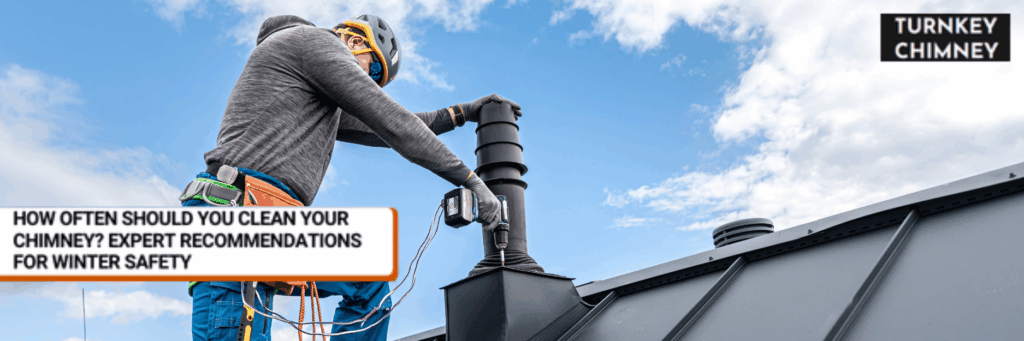
As winter draws near, homeowners begin preparing dwellings for the cold but cozy winter nights. One important yet neglected chore is chimney upkeep. Whether your chimney is in frequent or occasional usage for the comfort that winter brings, upkeep is essential. So, the question is: How often should the chimney be cleaned?
In this guide, we’ll address this question and show you the importance of chimney sweeps and chimney inspections in maintaining your winter safety. If you’re in Milwaukee, Kenosha, and Waukesha, there are some tips in this guide on how to select the best chimney sweep service in Wisconsin.
Importance of Chimney Cleaning and Inspection
The first reason why chimney maintenance needs to be done regularly has to do with the aspect of fire safety. A chimney that has been maintained will not have any accumulation of creosote, a material that tends to be highly flammable. Also, a chimney inspection may point out any potential hazards that could compromise the fire safety of the home.
What will occur when the chimney is inspected is that the chimney will be checked for any cracking or corrosion of the chimney flue or cap that may contribute to the leakage of carbon monoxide. Therefore, chimney inspection and cleaning are important not only as a means of preventing chimney fires but as a means of ensuring that the chimney is functioning well.
How Often Should You Clean Out Your Chimney?
The recommendation is to have your chimney cleaned at least annually, no matter how frequently you use it. Regular chimney cleanings are an effective way to remove any accumulation of soot or creosote that builds up inside the chimney flue whenever it is used. Some circumstances may necessitate more frequent cleanings.
Signs You Need Chimney Cleaning
- Visible Soot or Creosote Accumulations: If you find a lot of soot accumulation inside your fireplace or your chimney, it’s about time you clean it. Creosote accumulation is dangerous if it occurs on the sides of your chimney.
- Smoke Spillage into the Room: If smoke spills into your living room instead of going out through the chimney, then there could be a blockage in the chimney or it might be dirty and require cleaning.
- Pungent Odors: When there is a smoky or musty odor emanating from the chimney, it may be an indication of debris accumulation or blockage in the chimney.
- Frequent Use: Finally, if you are a fireplace user, it may be a good idea to clean out your chimney more often. The more that you use it, the more creosote that will accumulate.
Types of Chimney Inspections
Chimney inspections can be performed on various scales. The National Fire Protection Association has stipulated at least one annual inspection, and there are several levels to choose from:
- Level 1 Inspection: This is the inspection of choice when the chimney is in good condition and has not been modified. It entails a visual inspection of the chimney from the inside and outside.
- Level 2 Inspection: A more detailed level, which may be necessary if there is a change in the system, for example, a new appliance is installed. The Level 2 comprises a chimney camera inspection.
- Level 3 Inspection: It is a comprehensive inspection, often requiring a physical analysis of the chimney structure. This type of chimney sweep is conducted when there is a reason to suspect there may be significant damage and may necessitate dismantling sections of the chimney.
The Chimney Cleaning Process
Chimney sweeping is one of those important tasks that you need to do to maintain your chimney effectively. The following are some things that you should learn about chimney sweeping:
- Preparation: The chimney sweep will start the process by protecting your home. The sweep will lay down tarps around the fireplace to prevent soot residue from spreading all over your home.
- Inspection: A basic inspection of the system will first be conducted by the technologist to ascertain that there are no visible defects such as cracks and leaks.
- Sweeping the Chimney: The chimney sweeper will make use of equipment such as the rotary brush in the cleaning process of the chimney flue in order to remove soot and creosote buildup.
- Final Inspection: Following the cleaning process, the tech must complete a final inspection to verify that the chimney and flue are in good working condition.
Costs of Chimney Cleaning and Inspection
The price of chimney cleaning and inspection may vary in relation to the size of the chimney, the state of the chimney, and the extent of the inspection.
If it is discovered that your chimney needs some repair or cleaning, the cost of the service might rise. Make sure you ask for an estimate and discuss any problems before starting the work.
Professional vs DIY Chimney Cleaning: Why Hire an Expert?
Although it may seem like a good idea to take on this task yourself, it is highly advisable to call a chimney sweep for a number of reasons:
- Safety: Chimney sweeps also have the skills required for the task and are able to recognize dangers that a homeowner may overlook.
- Efficiency: Professionals are well-equipped and experienced to clean a chimney, which ensures that creosote buildup does not become a danger.
- Thoroughness: A detailed inspection can be carried out by experts at the same time they are cleaning the chimney to ensure that any structural problems in the chimney are identified.
Advantages of Hiring a Professional Chimney Inspector
Employing a certified chimney inspector offers you a tremendous element of assurance in the knowledge that you can safely use your chimney system. This is the case since certified specialists possess the skills to identify any existing problems in the system that you would not be able to see.
The Function of Chimney Caps and Chase Tops in Maintenance
Chimney caps and chase tops are important aspects of chimney maintenance. These items serve to shield your chimney against damage brought about by water accumulation and the entry of animals and debris into the chimney. With a properly installed chimney cap, you can prevent water entry into the chimney flue, and with a chase top, you will shield your chimney against corrosion and damage caused by rust formation.
If the chimney cap or chase top that covers your chimney has become damaged, you may find that repair or replacement by professionals is in order.
It is imperative to clean chimneys at least once a year, preferably before winter. In fact, not cleaning your chimney regularly is one reason why chimneys get unsafe, leading to a fire hazard or even carbon monoxide poisoning.
FAQs
Q1: What is the cost of a chimney inspection in Milwaukee?
The cost of a Level 2 inspection may be higher if the inspection involves a camera inspection of the chimney.
Q2: Just how often should a chimney be swept?
It is recommended that you clean the chimney at least once every year. This is especially important if you are someone who regularly uses the fireplace. If you do observe any leakage of smoke or presence of soot, you should consider cleaning the chimney more often.
Q3: Can I clean my chimney by myself?
Though a homeowner can clean a chimney by themselves, it is not always a good suggestion to clean the chimney by oneself because of a number of reasons. Some reasons are the following:
Don’t wait until winter to arrive. Inspect and clean your chimney in Milwaukee today. We offer affordable chimney sweep services to make sure your house is secure and warm. Contact us today to schedule a chimney sweep service or schedule an online chimney inspection.